Grandma in Spanish: Abuela & Mexican Grandma Names
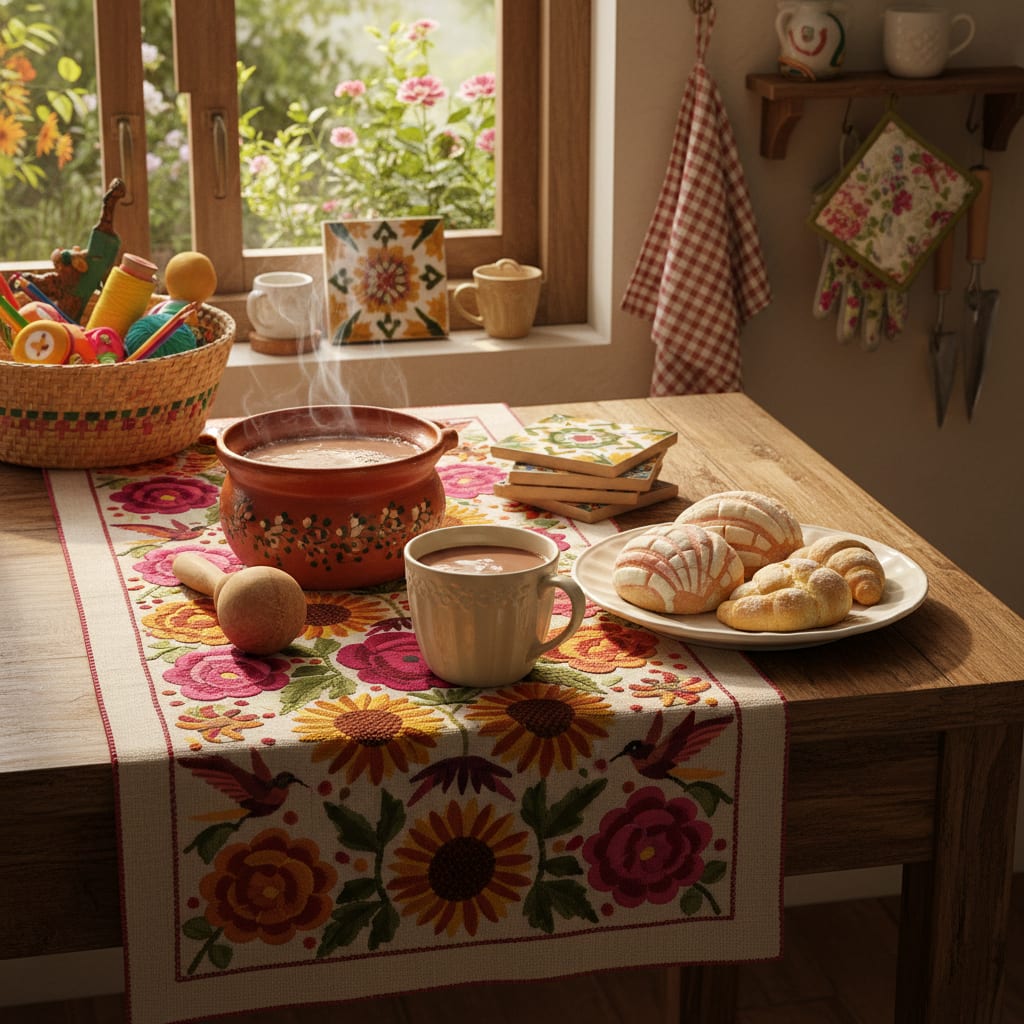
Grandma in Spanish is abuela (ah-BWEH-lah), and it is also the word for grandmother in Spanish: there is no separate formal one. That is the dictionary answer, and it is not the one you will hear at a Mexican kitchen table — there she is far more often abuelita (ah-bweh-LEE-tah), “dear little grandmother,” or one of the short names that grow out of it: Lita, Ita, Abue, Buela, Wela. Add the honorific Mamá plus her first name — Mamá Rosa, Mamá Lupe — and you’ve met most of the grandmothers in the room. Below: how the -ita diminutive works, the toddler-trimmed names, what changes outside Mexico, and the grandpa pairings. For every other style, start at my master grandma names guide.
Thirty-one years of second grade put a great many abuelitas in my pickup line and my classroom parties — I can testify that the grandmother who arrives with a tray of conchas outranks everyone in the building, including the principal. What follows was learned at those parties and checked with the grandmothers themselves.
Abuela meaning: what abuela is in English
In English, abuela means grandmother. Wiktionary’s Spanish entry for abuela gives “grandmother” as the main sense and adds a colloquial second one, “old woman”, which is why you may hear it for an elderly neighbor who is nobody’s grandma. English has also borrowed the word outright: the same entry defines English abuela as “a Hispanic grandmother.” Spanish adds the side of the family with an adjective, abuela materna for your mother’s mother and abuela paterna for your father’s. And abuelita, the diminutive the next section is about, Wiktionary glosses simply as “granny.”
Abuela and Abuelita: how Spanish hugs a word
The engine of Mexican grandma names is the diminutive. Tack -ita onto a Spanish word and you haven’t made it smaller — you’ve made it dearer. Abuelita doesn’t mean a small grandmother; it means a grandmother someone loves out loud. As a grammar person, I find this the single most useful thing English lacks.
- Abuela (ah-BWEH-lah) — the standard word: dignified, classic, embroidery-ready
- Abuelita (ah-bweh-LEE-tah) — the affectionate everyday version, and commonly the one grandchildren actually say
- Abuela + first name — Abuela Carmen, Abuela Rosa: the traditional fix for the two-grandmother problem
The toddler-trimmed names: Lita, Abue, Wela & friends
Four syllables is a lot to ask of a one-year-old, so Abuelita gets lovingly worn down — and, as everywhere, the worn-down versions often stick for life:
- Lita (LEE-tah) — the tail end of Abuelita, and one of the most beloved short forms
- Ita (EE-tah) — trimmed further still; pure toddler efficiency
- Abue (AH-bweh) — the front half instead; casual and very common
- Buela / Wela (BWEH-lah / WEH-lah) — Abuela with the first syllable sanded off; you’ll also see the spelling Güela
- Lela and Tita — softer mouthfuls that some families arrive at, each one somebody’s toddler masterpiece
Italian families will recognize this exact process — it’s how Nonna became Noni on this side of the ocean, as I covered in my Italian grandma names post. Toddlers are the same ruthless editors in every language.
Grandma in Spanish beyond Mexico
Spanish is spoken across twenty-odd countries and abuela is the word in all of them — but the affectionate everyday name shifts as you travel, and it is worth knowing which one belongs to your branch before you put it on a birthday cake.
- Abuela / abuelita — universal. Nowhere in the Spanish-speaking world will these be misunderstood.
- Abu and Abue — the clipped, casual forms, heard widely and especially from teenagers
- Yaya — the familiar, rather childlike word for a grandmother in Spain, paired with Yayo for the grandfather. It is a Spain word much more than a Mexico word, and it comes with one caution: in Philippine Spanish, yaya means a nanny rather than a grandmother, so a Filipino in-law may hear it very differently at the table.
- Lela, Lita, Tita — the worn-down forms, which travel everywhere Spanish does because toddlers everywhere do the same editing
That last caution is the mirror image of one already worth knowing inside Mexico, and I come back to it in the next section: the word that means grandmother in one household can mean the woman who looks after the children in another. Ask before you assume, and nobody has to be gently corrected in front of the cake.
Mamá as a title: Mamá Rosa and Mamá Grande
Some Mexican grandmother names skip the abuela family entirely and promote her instead:
- Mamá + first name — Mamá Lupe, Mamá Chela: a warm honorific for the grandmother at the center of the family, handed down through generations
- Mamá Grande — literally “big mother,” an old-fashioned title of standing for the matriarch, still kept in many families for the grandmother whose house holds the holidays
One note worth knowing if your family spans cultures: in Mexican Spanish, nana commonly means a nanny or caregiver rather than a grandmother. Plenty of bicultural families use Nana anyway without confusion — just don’t be startled if a Mexican in-law hears it differently at first.
Grandpa pairings
The grandfather names mirror the grandmother names beat for beat, which makes for tidy matched sets:
- Abuela & Abuelo, Abuelita & Abuelito — the classics
- Lita & Lito, Ita & Tito — the toddler-trimmed duets
- Mamá Rosa & Papá José — the honorific pairing
If the grandfather has already staked his claim, pick the partner name early — matched sets have a way of settling arguments before they start.
Claiming an abuelita name without growing up with one
My standing ruling on heritage names applies here: they work best with a thread to pull — Mexican or broader Latino heritage anywhere in the family tree, a Mexican son- or daughter-in-law, a grandchild being raised bilingual. If the thread is there, claim Abuelita or Lita proudly and teach the grandchild what the -ita means; a name that carries a language lesson inside it is a gift. If there’s no thread at all and you simply love the sound, Lita has traveled far enough into general use that it reads as simply warm.
Either way, the house rule is universal: run it past the parents first — their baby, their rules, my cookies (today, my conchas). And if you’re still browsing the world’s options, French grandmothers solved the formality problem exactly the same way — see my French grandma names post — or wander the whole map in my roundup of grandma names in different languages.
FAQ: Mexican grandma names
What do Mexican children call their grandmother?
Most often Abuelita, Abuela, or one of the affectionate short forms — Lita, Ita, Abue, Buela, or Wela. Many families also use Mamá plus her first name, like Mamá Rosa, as a warm honorific for the family matriarch.
How do you say grandma in Spanish?
Abuela (ah-BWEH-lah) is the word for grandmother in every Spanish-speaking country. In everyday speech most families use abuelita, the affectionate form, or one of its short versions — Lita, Ita, Abue, Buela or Wela. In Spain you will also hear yaya.
What does Abuelita mean?
Literally “little grandmother,” but the Spanish diminutive -ita signals affection rather than size — so the truer translation is “dear grandmother.” It’s the everyday, loving version of Abuela, the standard word.
Is Lita a grandma name?
Yes — Lita is the tail end of Abuelita, trimmed by generations of toddlers, and it stands confidently on its own. It commonly pairs with Lito for the grandfather, and its two easy syllables are exactly why it sticks.
What is a Mexican great-grandmother called?
Bisabuela (bees-ah-BWEH-lah) — the prefix bis- stacks a generation on top of abuela. In everyday speech she often gets the same loving treatment as everyone else: Bisabuelita, or simply her own Mamá title.