Rules for Grandparents Visiting a Newborn (From a Grandma)
The rules for grandparents visiting a newborn are simple: wait to be invited, come healthy and vaccinated, wash your hands, bring food, do a chore without being asked, don’t kiss the baby, keep the visit short — and hold the baby last, after you’ve held up the household. Follow those and you’ll be invited back so often you’ll need a toothbrush there. I’ve done five newborn visits as the grandma, and I’m going to tell you how to be the one they call when the baby won’t settle and the dishes have won.
Rule 1: You come when invited, not when dilated
The baby’s arrival is not a starting gun. Some parents want family in the waiting room; many want two weeks of cocoon first. Ask — ideally before the due date — “when would a visit actually help?” and then believe the answer, even if the other grandmother got an earlier slot. The fastest way to a smaller role in this child’s life is to appear on the porch, uninvited, with luggage.
Rule 2: Arrive healthy, vaccinated, and honest
Newborns have almost no immune defenses, so this rule has no charm exemptions. If you have a sniffle, a cough, or “just allergies, probably,” you reschedule. Ask the parents which vaccinations they’d like visitors current on — many pediatricians recommend updated whooping-cough and seasonal shots for anyone holding a newborn — and get them without editorializing. This is the cheapest possible way to demonstrate you take their job seriously.
Rule 3: Wash your hands like you’re scrubbing in
Every arrival, before every hold, after every diaper. Don’t wait to be asked — being asked embarrasses everyone. March to the sink, announce nothing, wash. And no kissing the baby, anywhere, no matter how kissable. Cold sores and newborns are a genuinely dangerous combination, and “but I’m the grandma” is not an antiviral.
Rule 4: Bring food, take laundry
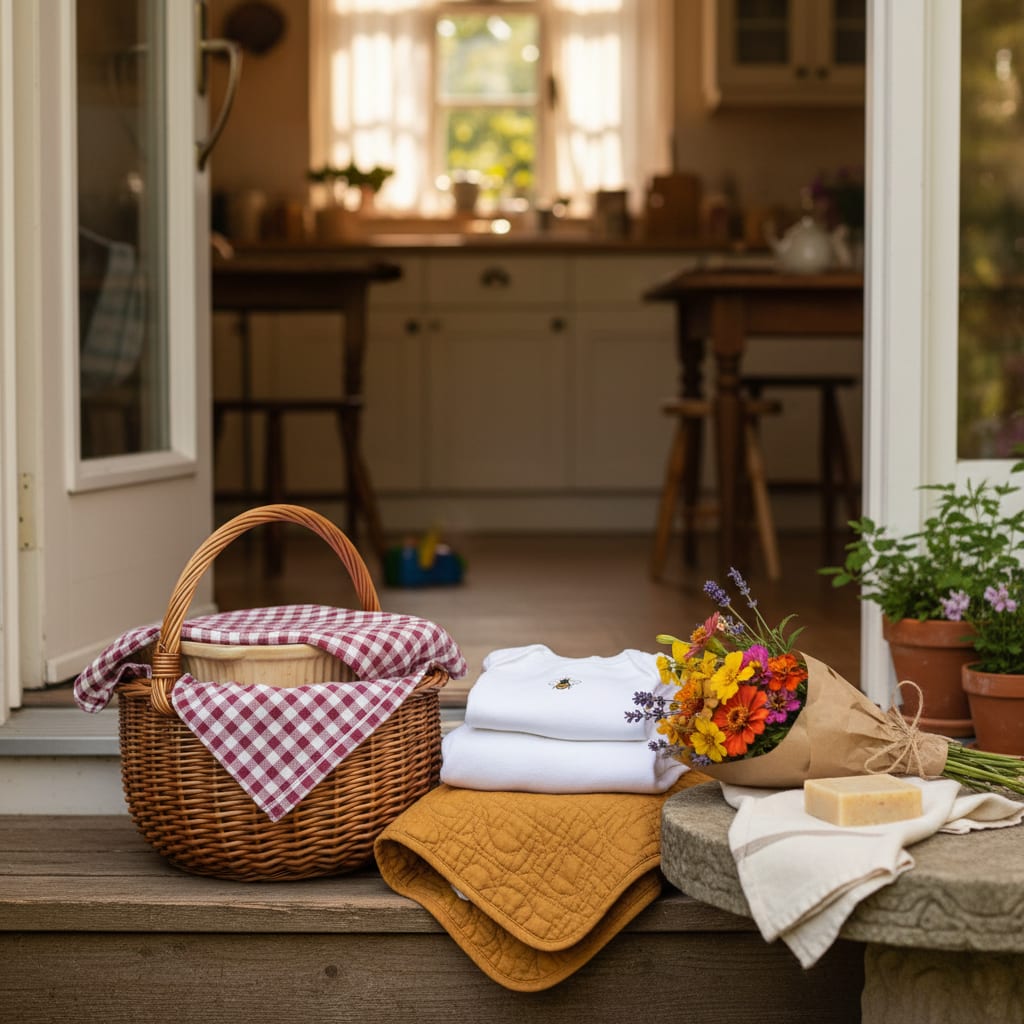
The perfect grandparent visit has a trade deficit: you arrive heavy and leave heavy. Arrive heavy with dinner — something that reheats, in containers you never want back. Leave heavy with the laundry basket, the trash, the dishes done. My personal rule is one visible chore per visit, done without asking permission or narrating it. “Where do you keep the dish soap” is the most intimate question of the newborn weeks.
Rule 5: Hold the baby last
Here’s the counterintuitive one, and the heart of the whole thing. Everyone else who visits comes for the baby — arms out, phone up. Be the visitor who comes for the parents. Greet your child first. Ask how the night went and listen to the whole answer. Fix the food, run the chore, and let the baby-holding happen when it happens — usually the moment a parent needs a shower or a nap, which is when holding the baby is actually a gift instead of a toll. The grandparents who grab the baby at the door get supervised. The ones who hold the baby last get left alone with it. That’s the entire game.
Rule 6: Their rules, zero commentary
You will be handed rules: wake windows, no visitors kissing, formula measured like lab work, a bedtime routine with more steps than a passport application. Follow all of it, cheerfully, without a single “in my day.” The parents aren’t testing your knowledge; they’re testing whether you’re safe to trust — and trust is the currency that buys unsupervised grandma time later. I’ve written more on not being the overstepping grandparent, because it deserves its own sermon.
Rule 7: Keep it short and leave them better
An hour or two, then go — before they have to hint. Long stays force the parents to host you, and hosting is the one thing they have no capacity for. The visit report card is simple: did you leave the house cleaner, the freezer fuller, and the parents more rested than you found them? Then you passed, and there will be a next time. Overnight visits are a separate negotiation entirely — offer a hotel or ask honestly what helps.
Rule 8: Give sleep, not stuff
If you want to bring a gift beyond dinner, don’t bring the fifteenth swaddle. The thing new parents are starving for is sleep, which is why my standing baby gift is a subscription to Betteroo — it builds the parents a personalized day-by-day nap and bedtime plan, so 3am stops being a research project. It tops my full list of gifts new parents actually need, and it beats anything that needs wrapping paper.
The long-distance version
If you’re flying in, the rules intensify: book a hotel or ask honestly whether houseguests help or strain, plan a useful stay (cook, clean, errands) rather than a ceremonial one, and don’t spend your visit auditioning for favorite grandparent — spend it being useful. If you’re brand new to all of this, my first time grandma guide covers the whole first year, not just the first visit.
FAQ: grandparents visiting a newborn
How soon after birth should grandparents visit a newborn?
Whenever the parents invite you — for some families that’s day one at the hospital, for others it’s week three. Ask before the due date, accept the answer without negotiating, and remember an early visit is a preference, not a right.
How long should a grandparent visit with a newborn last?
An hour or two for local visits, and always shorter than you’re tempted to stay. For traveling grandparents, a few useful days beat a long ceremonial stay — and offering to sleep at a hotel is never the wrong move.
Should grandparents kiss a newborn?
No — skip kissing the baby entirely in the early months. Newborn immune systems are fragile, and viruses that are trivial for adults (especially cold sores) can be serious for infants. Snuggle the feet; kiss the air.
What vaccines do grandparents need before visiting a newborn?
Ask the parents what their pediatrician recommends — commonly an updated whooping-cough booster and seasonal vaccines for anyone holding the baby. Getting them promptly, without debate, is grandparent diplomacy at its finest.