❋ Grandkid Time ❋
Baby Monitor for Hearing Loss: A Grandparent's Night Plan
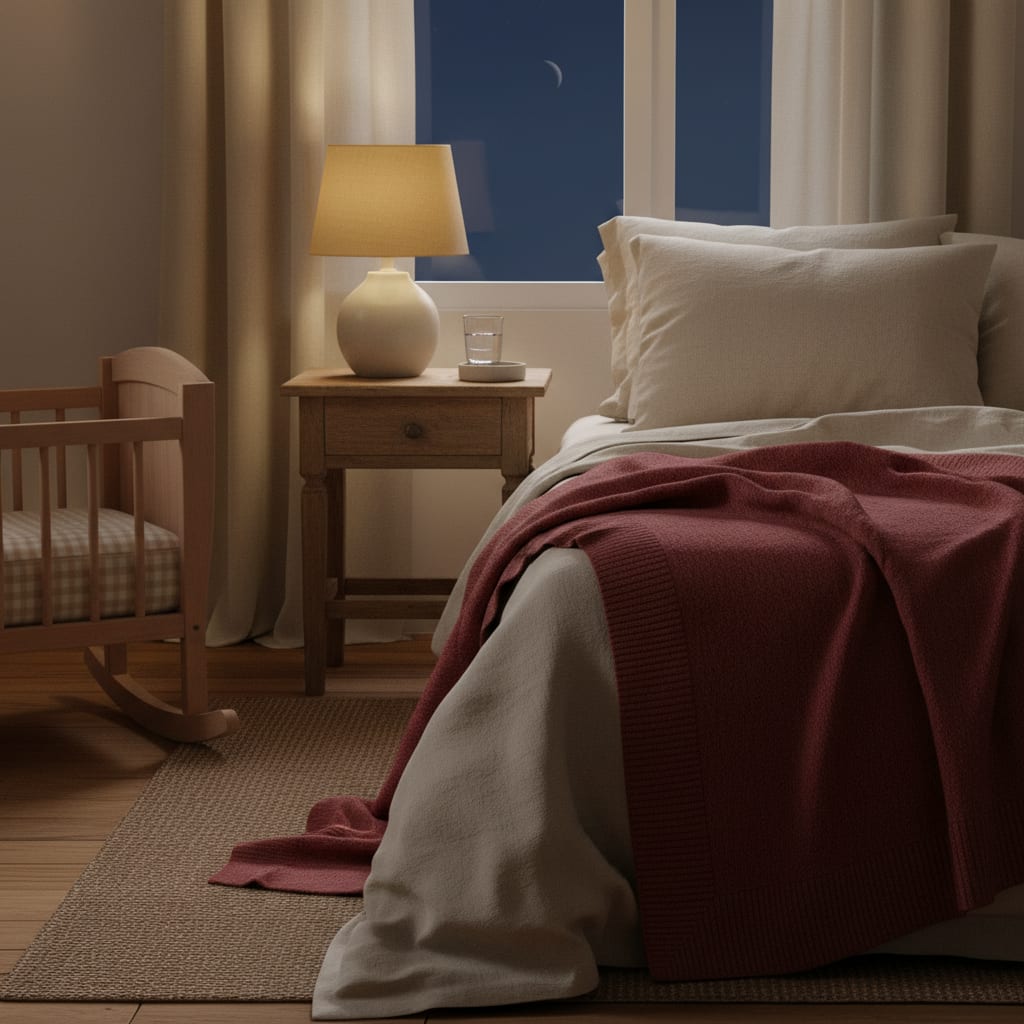
If your hearing isn’t what it was and the grandbaby is sleeping over, don’t count on hearing an ordinary monitor across the hall. Make the plan out of things you can feel and see. Put the baby’s own crib or play yard in your bedroom, a few feet from your side of the bed. Switch to a monitor that vibrates or flashes when the baby makes noise, and keep it close enough to feel. Test the whole setup before the first night. Agree with the parents who answers if you sleep through. And check that you would notice the smoke alarm, too.
Why the usual monitor lets you down at 2 a.m.
You are in good company. The National Institute on Deafness and Other Communication Disorders says about one in three people in the U.S. between 65 and 74 has hearing loss, and nearly half of those over 75 have difficulty hearing. It also says the loss is gradual, so “you may not realize that you’ve lost some of your ability to hear.” You raised your own babies with ears that woke at a whimper, and nobody sent a memo when that changed.
The same page says hearing loss can make it hard to hear phones, doorbells and smoke alarms. A baby waking at night belongs on that list, and it usually starts small.
And if your hearing aids come out at bedtime, the monitor on the nightstand is talking to an ear that isn’t listening. Turning the volume up can wake the rest of the house before it wakes you.
Step one: bring the crib into your room
The simplest fix costs nothing, because room-sharing is already what safe sleep guidance asks for. The NIH Safe to Sleep campaign says to share your room with baby for at least the first 6 months, with the baby in their own crib, bassinet or portable play yard, “separate from your bed.”
So set up a Graco Pack ‘n Play beside your side of the bed. Same rules as at home: baby on their back, a firm flat surface, nothing else in it. My safe sleep rules for grandparents cover the full list, and the overnight setup at grandma’s house walks through the room itself.
One thing room-sharing does not mean is bringing the baby into your bed because you’re afraid you won’t hear them. That same Safe to Sleep page puts bed-sharing with “a caregiver other than baby’s parent, such as a grandparent” in its high-risk group. A crib three feet away is the safe version of close.
For a toddler or preschooler with their own room, or for naps while you’re downstairs, you’ll want a monitor you can feel.
Turn the cry into something you can feel or see
The NIDCD’s page on assistive devices describes alerting devices that use “sound, light, vibrations, or a combination.” It says portable vibrating pagers “can let parents and caretakers know when a baby is crying,” and that wake-up systems can rouse you with flashing lights or “a gentle shaking.” The idea is to move the alert out of your ears and into your hands, eyes or mattress.
You have two levels to choose from:
- An ordinary audio monitor with a vibrating alert. The VTech DM221 is one. Its parent unit buzzes when the baby makes noise. Betteroo’s side-by-side of monitor types also lists a five-level sound indicator that shows noise even when the parent unit is muted. For mild loss, kept next to your pillow, that may be enough.
- A system built for hearing loss. If you sleep without your hearing aids and can’t hear much without them, look at a dedicated kit like the Bellman baby monitor with a flasher and bed shaker. It costs far more than a plain monitor, so it makes most sense for a grandparent who does regular overnights.
Mount the baby’s half of the monitor on a wall or shelf. The Consumer Product Safety Commission’s baby monitor warning says to “place cords at least three feet away from any part of the crib, bassinet, play yard or other safe sleep environment” and to never put a monitor inside or on the edge of a crib.
Do a dress rehearsal before the first night
I taught second grade for thirty-one years, and I never trusted a fire drill I hadn’t walked through myself. Before the baby arrives, set everything up as it will be at night, hearing aids out if they come out at bedtime. Lie down with the lights off and have someone make a small sound by the crib: a cough, a whimper, a soft “mama.” Did the buzz wake you, or only catch your eye because you were waiting for it? Try again when you’re actually dozing. Better to learn it on a Tuesday afternoon than at 3 a.m.
Tell the parents, and split the night
The NIDCD’s first tip for living with hearing loss is to tell your family about it and “explain which listening situations are hard for you.” Night duty is one of them. Your grown child would far rather hear “I sleep heavily without my hearing aids, so here’s my setup” than find out later.
Then share the night. If Grandpa hears better, he wears the vibrating unit and you take the early-morning shift. If the parents are staying over, they can keep a second monitor. On a long visit, the sleepover plan works better when everyone knows who answers first.
It also helps to know that not every noise needs you. Babies often whimper and cry out in active sleep and drift back down. Betteroo explains how to tell a sleep noise from a real wake. A vibrating monitor will buzz for both. With a baby past the newborn weeks, you don’t have to leap up at the first buzz. But if the crying builds, or sounds like pain, go.
Don’t forget the smoke alarm
If you might sleep through a cry, you might sleep through a smoke alarm, and now there’s a baby in the house.
The U.S. Fire Administration says there are smoke alarms for people with hearing loss that “may have strobe lights that flash and/or vibrate,” and it recommends interconnected alarms so that when one sounds, they all sound. One option is the Sonic Alert HomeAware II kit, which listens for your existing smoke and carbon monoxide alarms and sets off a bed shaker and a strobe.
A gadget is not a safety device
A monitor tells you the baby is awake; it doesn’t make sleep safer. Safe to Sleep says to avoid heart, breathing, motion or other monitors as a way to reduce the risk of SIDS, because they “are not effective at detecting or preventing SIDS.” What protects a sleeping baby is free: back to sleep, a bare crib, a grown-up close by.
If you suspect your hearing has slipped
The NIDCD’s age-related hearing loss page has a short self-check of ten questions, such as whether a hearing problem makes the TV hard to follow or makes you feel left out in a group. Answer yes to two or more and it suggests having your hearing checked. Since 2022, the FDA has allowed over-the-counter hearing aids for adults with perceived mild to moderate hearing loss. It says they aren’t meant for severe or profound loss, so see a hearing professional if you think yours is more than that.
 Know when they'll wake, before they do
Betteroo builds an age-based sleep plan the parents can share with Grandma, so you know the usual bedtime, naps and night wakings at your house.
Take the sleep quiz →
FAQ: hearing loss and night duty with a grandchild
What baby monitor is best for someone with hearing loss?
One that turns sound into vibration or light. For mild loss, an audio monitor with a vibrating alert, kept by your pillow, may be enough. If you sleep without hearing aids, a system with a flashing light and a bed shaker is more reliable.
Can the baby sleep in my bed so I’ll know when they wake?
No. Use a crib or play yard next to your bed instead. Safe to Sleep lists bed-sharing with a caregiver other than a parent, such as a grandparent, as high risk.
Do I need a special smoke alarm?
If you might not hear a standard alarm, yes. The U.S. Fire Administration says alarms for people with hearing loss can flash a strobe and/or vibrate.